
- Community Associations
- Wisconsin, Indiana, Illinois, Florida
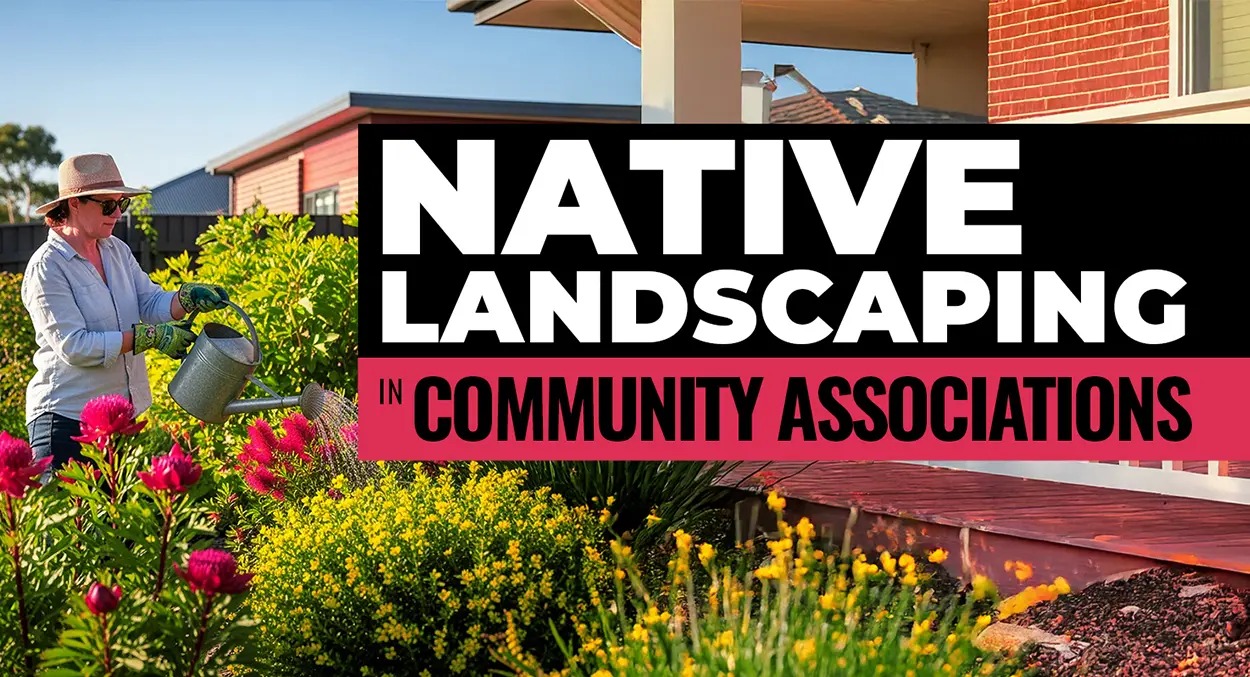
If your condominium, homeowner (HOA), townhome community association is looking to reduce costs, improve sustainability, or simply enhance its curb appeal, native landscaping may be the perfect solution. Replacing or supplementing traditional turf grass and annual flowers with native plants takes some planning—but the long-term benefits are worth the effort. From saving money to boosting resident engagement, native plants offer a host of advantages for both your association and the broader environment.
- Lower Costs and Easier Maintenance
While all landscaping requires upkeep, annual flowers and certain grasses can be especially high maintenance. Regular fertilizing, mowing, pest control, and heavy watering can quickly add up. In contrast, native plants are naturally adapted to your region’s climate and soil. Once established, they require little to no watering, fertilizing, or replanting. They can also reduce the need for mowing. These benefits make native landscaping potentially budget-friendly and lower maintenance.
- Beautify Underutilized and Problem Areas
Native plants can transform bland or unused outdoor community spaces. From walkways and courtyards to corners near parking lots, native plants can add beauty and character to areas that might otherwise go unnoticed.
Native plants are also resilient. Some grass species struggle during droughts or in poor soil, often leading to patchy, brown lawns. However, native plants can thrive in local soil conditions and stay lush even in dry periods, helping maintain your community’s appearance without inflating your association’s water bill.
- Reduce Erosion and Flooding
Native plants are nature’s stormwater managers. Their deep root systems absorb rainwater, slow runoff, and help prevent erosion on sloped lawns or around drainage areas. Installing native plants can be a cost-effective, eco-friendly alternative to installing new and potentially expensive drainage systems.
- Encourage Community Engagement
Native landscaping can spark resident pride while promoting environmental stewardship. Educational signage identifying native species encourages curiosity while initiatives like a “Yard of the Month” award can motivate residents to adopt native plantings on their own properties.
- Boost Property and Resale Value
A vibrant landscape filled with native plants doesn’t just look appealing. It can potentially increase home resale values and attract environmentally conscious buyers. Beyond curb appeal, native landscaping signals that the association invests in sustainability and long-term community health Over time, a well-maintained native landscape may also reduce infrastructure wear, improve resident satisfaction, and enhance overall association desirability.
The 4 C’s of Native Landscaping
Before starting a native landscaping project or any significant landscape change, board members and property managers should consider following these best practices to ensure success.
- Communicate: Transparency helps build support. Share plans with residents and the board through meetings, newsletters, and community updates.
- Coordinate: Work with experienced landscapers or arborists familiar with native species. Professionals can recommend plants that align with your region’s conditions, budget, and aesthetic goals.
- Collaborate: Engage your community by posting signage in planting areas, organizing volunteer planting days, or forming a plant care committee. Recognizing residents’ efforts with awards like “Yard of the Month” can boost further involvement.
- Consult: Work with the association’s attorney, especially where state law supports native landscaping legislation, to understand owner rights and avoid potential litigation. The association’s attorney can also review landscaping vendor contracts and agreements to ensure they protect the community’s interests.
Legal Resource
Native landscaping is more than a design choice. It can be a long-term investment in your association’s financial health, environmental responsibility, and community spirit. By embracing native plants, board members and property managers can help their associations thrive while creating a landscape that residents are proud to call home.
Do not hesitate to contact our law firm if your association has questions about rule enforcement, drafting/updating association policies, owner disputes, or other legal concerns.
Please call 855-537-0500 or visit www.ksnlaw.com.
Since 1983, KSN has been a legal resource for condominium, homeowner, and townhome associations. Additionally, we represent clients in real estate transactions, collections, landlord/tenant issues, and property tax appeals.
We represent thousands of clients and community associations throughout the US with offices in several states including Florida, Illinois, Indiana, and Wisconsin.
Please note the material contained in this article is for educational and informational purposes only and does not constitute legal advice. No attorney-client relationship is established by your review or receipt of the information contained in this article. You should not act on the information discussed in this article without first obtaining legal advice from an attorney duly licensed to practice law in your State. While KSN has made every effort to include up-to-date information in this article, the law can change quickly. Accordingly, please understand that the information discussed in this article may not yet reflect the most recent legal developments. Material is not guaranteed to be correct, complete, or up to date. KSN reserves the right to revise or update the information and statements of law discussed in the article, law at any time, without notice, and disclaims any liability for your use of information or statements of law discussed on the article, or the accessibility of the article generally. This article may be considered advertising in some jurisdictions under applicable law/s and/or ethical rules/regulations. © 2026 Kovitz Shifrin Nesbit, A Professional Corporation.