
- Community Associations
- Wisconsin, Indiana, Illinois, Florida
Preserving property values and fostering a cohesive community environment often depends on consistent standards within condominium, homeowner (HOA), and townhome associations. As homeowner preferences and lifestyle trends continue to evolve, outdoor modifications have become a frequent source of questions and sometimes conflict for both residents and association board members.
To help navigate these challenges, this article outlines several outdoor features that are commonly regulated by associations and offers practical guidance on how to manage them effectively.
- Outdoor Kitchens and Fire Pits – Permanent backyard features like kitchens, fireplaces, or fire pits can raise concerns about safety, design consistency, and smoke. Architectural guidelines should require approval for these installations and address factors like location, fire safety standards, and structural integration.
- Prominently Placed Satellite Dishes – Satellite dishes that are highly visible from streets or neighboring properties may disrupt the visual continuity of the community. While respecting (Federal Communications Commission) FCC rules, associations can encourage placement in less prominent areas and provide aesthetic guidance.
- Visible Clotheslines – Though practical, outdoor clotheslines may conflict with visual standards in some communities. If clothesline use is restricted, associations must comply with any applicable “right to dry” laws and may suggest placement that minimizes visual impact.
- Poorly Maintained Landscaping – Overgrown lawns, weeds, or neglected plantings may negatively impact curb appeal and neighboring property values. Association rules should outline basic landscaping standards and seasonal maintenance expectations. Regular inspections and reminders can help ensure compliance.
- Interior Remodels That Impact Common Elements – Renovations inside a unit, especially in condominium associations, can affect shared systems and structure. This may include heating, cooling, venting, and flooring. Associations should consider establishing an approval process prior to the start of any remodeling projects that impact other units and common elements.
- Security Cameras Overlooking Shared Spaces – Exterior surveillance cameras may be installed with good intentions but those capturing common areas or neighboring units can trigger privacy concerns. Associations should create camera policies that address placement and field of view to balance safety with resident privacy.
- Unapproved Drainage or Irrigation Systems – Alterations to drainage or sprinkler systems can lead to erosion, flooding, or water damage affecting multiple homes. Associations should consider requiring advance approval for these installations and may request professional plans to ensure proper water management and compatibility with community infrastructure.
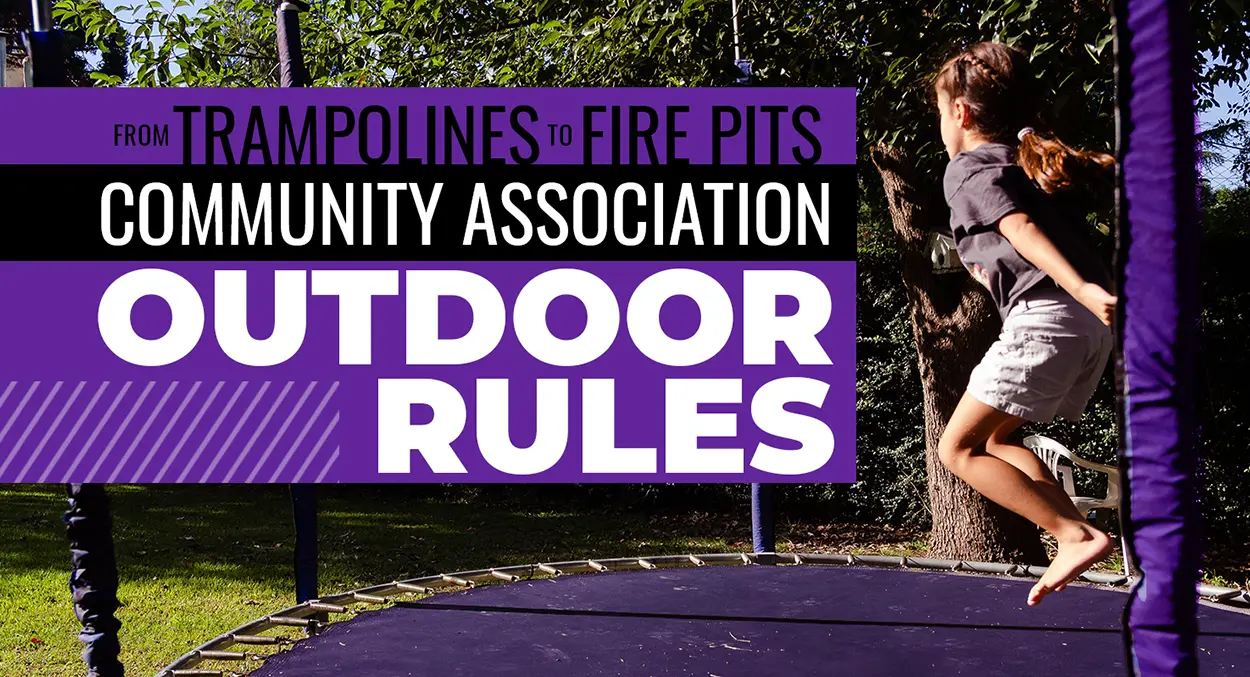
- Playgrounds and Trampolines in Front Yards – While play equipment like trampolines, swing sets, or small playground structures can be fun for families, their placement in front yards can raise concerns about safety, aesthetics, and consistency with community standards. Associations should consider establishing clear rules on the type, size, and placement of recreational equipment. Requiring approval for installation and encouraging placement in backyards or less visible areas can help maintain curb appeal and reduce liability risks.
Best Practices for Managing Outdoor Rules
To effectively enforce and communicate outdoor modification policies, board members, property managers, and community leaders should consider:
- Reviewing and updating the association’s governing documents regularly to reflect the community’s evolving modern needs and legal standards.
- Clearly communicating rules through resident handbooks, websites, and new owner welcome packets.
- Encouraging early communication from residents planning exterior projects.
- Ensuring consistent enforcement to maintain transparency and reduce disputes.
In addition, associations should consult with their legal counsel. An experienced community association attorney can help draft, revise, and clarify architectural and use restrictions to ensure they are enforceable and legally compliant.
Attorneys also stay informed on state and federal legal developments (ex. solar panel legislation, satellite dish regulations, “right-to-dry” laws) and can provide guidance to ensure your community’s policies remain up to date. Legal counsel can also assist in handling violations and responding to homeowner challenges.
Legal Resource
While this list highlights several common outdoor rules, many associations also have specific guidelines for holiday decorations, fencing, storage sheds, and more. By proactively managing and communicating outdoor guidelines, associations can strike a balance between individual expression and collective community standards, working to ensure a well-maintained and compliant neighborhood.
Questions about your community association’s governing documents, updating rules, rule enforcement, owner disputes, or other legal issues? Do not hesitate to call 855-537-0500 or visit www.ksnlaw.com.
Since 1983, KSN has been a legal resource for condominium, homeowner, and townhome associations. Additionally, we represent clients in real estate transactions, collections, landlord/tenant issues, and property tax appeals. We represent thousands of clients and community associations throughout the US with offices in several states including Florida, Illinois, Indiana, and Wisconsin.
Please note the material contained in this article is for educational and informational purposes only and does not constitute legal advice. No attorney-client relationship is established by your review or receipt of the information contained in this article. You should not act on the information discussed in this article without first obtaining legal advice from an attorney duly licensed to practice law in your State. While KSN has made every effort to include up-to-date information in this article, the law can change quickly. Accordingly, please understand that the information discussed in this article may not yet reflect the most recent legal developments. Material is not guaranteed to be correct, complete, or up to date. KSN reserves the right to revise or update the information and statements of law discussed in the article, law at any time, without notice, and disclaims any liability for your use of information or statements of law discussed on the article, or the accessibility of the article generally. This article may be considered advertising in some jurisdictions under applicable law/s and/or ethical rules/regulations. © 2026 Kovitz Shifrin Nesbit, A Professional Corporation.