
- Community Associations
- Wisconsin, Indiana, Illinois, Florida
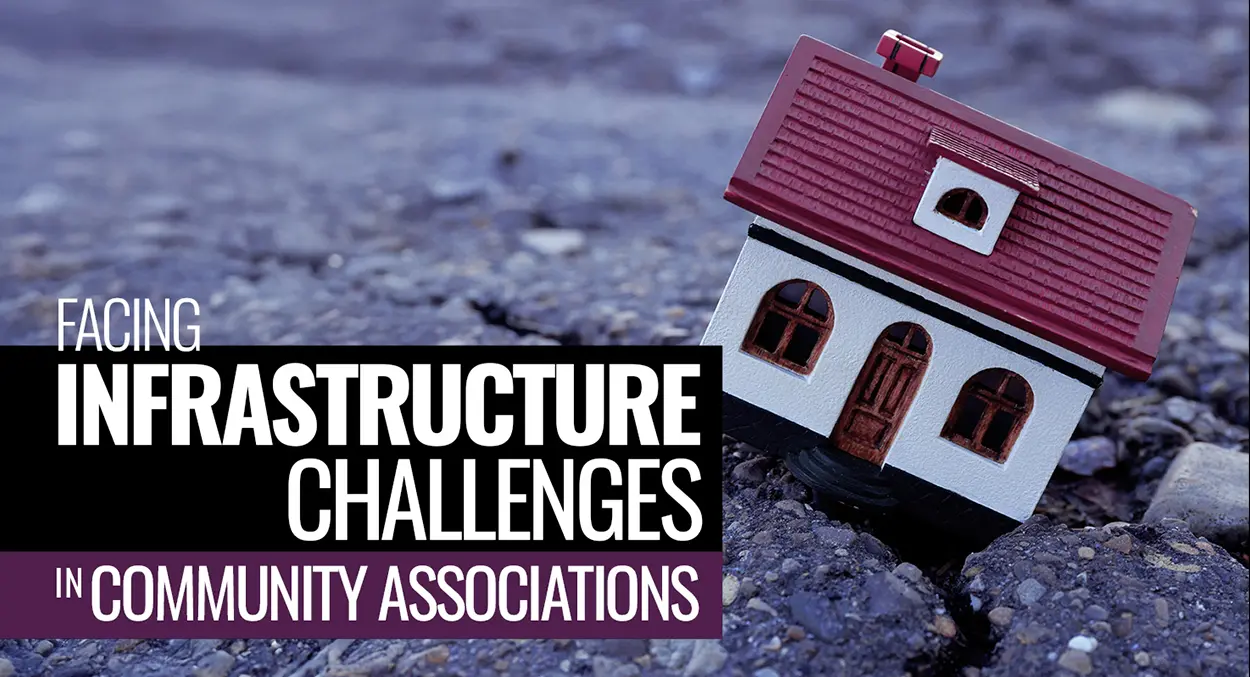
Over time, every condominium, townhome, or homeowners community association will face the realities of aging infrastructure. From roofs and plumbing to balconies, elevators, and roads, these critical components deteriorate over decades of use. For many associations, the challenge is not if these systems will need repair or replacement, but when and how to plan for it.
Unfortunately, too many community associations delay action until an issue becomes unavoidable. Small leaks turn into costly water intrusion problems, temporary fixes fail, and neglected maintenance can quickly escalate into expensive emergency repairs. For board members and property managers, addressing infrastructure concerns proactively is essential to protecting property values, ensuring resident safety, and maintaining the community’s long-term financial health.
Below are several proactive best practices in identifying, planning, and addressing infrastructure issues in community associations.
1. Conduct Regular and Comprehensive Inspections
Don’t wait for visible damage to appear. Schedule periodic inspections by qualified engineers and contractors to identify potential issues before they become major problems. Regular inspections can uncover hidden risks such as water intrusion, structural deterioration, electrical failures, and plumbing disasters that may not be obvious to the untrained eye.
2. Prioritize and Update Reserve Studies
A reserve study isn’t just a budgeting exercise; it’s an essential planning tool. Boards should consider reviewing and updating their reserve studies regularly to account for inflation, construction costs, and the true lifespan of building components. Investing in a professional reserve study helps boards make informed decisions about funding future repairs rather than reacting to surprise emergencies.
3. Communicate Early and Often with Homeowners
Infrastructure projects are often disruptive and expensive. Homeowners may also resist special assessments or increased dues. Transparent, consistent communication can help build trust with association members. Explain the need for repairs, the scope of work, the expected costs, and the long-term benefits to the community. Regular updates, especially during major projects, can help homeowners understand progress and minimize frustration.
4. Build a Culture of Preventive Maintenance
It’s easy to focus on visible or cosmetic improvements, but preventive maintenance should take priority. Establish maintenance schedules for key systems (ex. roofs, HVAC, plumbing, elevators) and track when work is completed. Preventive care can extend the life of community assets, common elements, and reduce emergency repair costs.
5. Work with Qualified Experts
Complex infrastructure issues often require specialized expertise. Boards and community association managers should vet and hire licensed engineers, architects, and contractors who have experience working in occupied community settings. Request references, confirm insurance coverage, and ensure the professional understands community association operations and communication expectations.
The association’s attorney should review all vendor contracts to confirm they protect the association’s interests, outline clear performance benchmarks, and define payment terms. Experienced legal counsel can also ensure all association contractor agreements address key risks such as indemnification, insurance requirements, and warranty provisions. Legal review helps prevent costly disputes and ensures that the association is fully protected before any work begins.
6. Strengthen Financial Planning and Explore Funding Options
Major infrastructure projects can strain even well-managed budgets. Explore multiple financing tools such as bank loans or phased projects to manage costs while keeping assessments reasonable. The key is long-term planning and maintaining healthy reserves to reduce the need for emergency special assessments.
7. Documentation
Keep thorough records of inspections, repair recommendations, bids, contracts, warranties, and completed work. Proper documentation not only protects the association legally but also provides continuity for future boards and managers. A well-maintained paper trail ensures that key information isn’t lost through association leadership transitions.
8. Educate the Board and the Community
Ongoing education is critical. Board members are volunteers and are unlikely to have the specialized experience involved with infrastructure repair. Encourage board members to attend training sessions, webinars, or continuing education programs focused on maintenance and fiscal management. An informed board is better equipped to make proactive, well-reasoned decisions about community upkeep.
Legal Resource
Infrastructure issues may not be glamorous, but they are among the most important responsibilities of community association leadership. Proactive planning, communication, and professional guidance can prevent costly surprises and ensure that communities remain safe, attractive, and financially sound for years to come. Board members also fulfill their fiduciary duty by acting prudently and in good faith to maintain the association’s assets, protect property values, and safeguard the well-being of all residents.
Do not hesitate to contact our law firm if your association has questions regarding vendor contracts, board member responsibilities, reserve requirements, or other legal concerns.
Please call 855-537-0500 or visit www.ksnlaw.com.
Since 1983, KSN has been a legal resource for condominium, homeowner, and townhome associations. Additionally, we represent clients in real estate transactions, collections, landlord/tenant issues, and property tax appeals. We represent thousands of clients and community associations throughout the US with offices in several states including Florida, Illinois, Indiana, and Wisconsin.
Please note the material contained in this article is for educational and informational purposes only and does not constitute legal advice. No attorney-client relationship is established by your review or receipt of the information contained in this article. You should not act on the information discussed in this article without first obtaining legal advice from an attorney duly licensed to practice law in your State. While KSN has made every effort to include up-to-date information in this article, the law can change quickly. Accordingly, please understand that information discussed in this article may not yet reflect the most recent legal developments. Material is not guaranteed to be correct, complete, or up to date. KSN reserves the right to revise or update the information and statements of law discussed in the article law at any time, without notice, and disclaims any liability for your use of information or statements of law discussed on the article, or the accessibility of the article generally. This article may be considered advertising in some jurisdictions under applicable law/s and/or ethical rules/regulations. © 2025 Kovitz Shifrin Nesbit, A Professional Corporation.