
- Community Associations
- Wisconsin, Indiana, Illinois, Florida
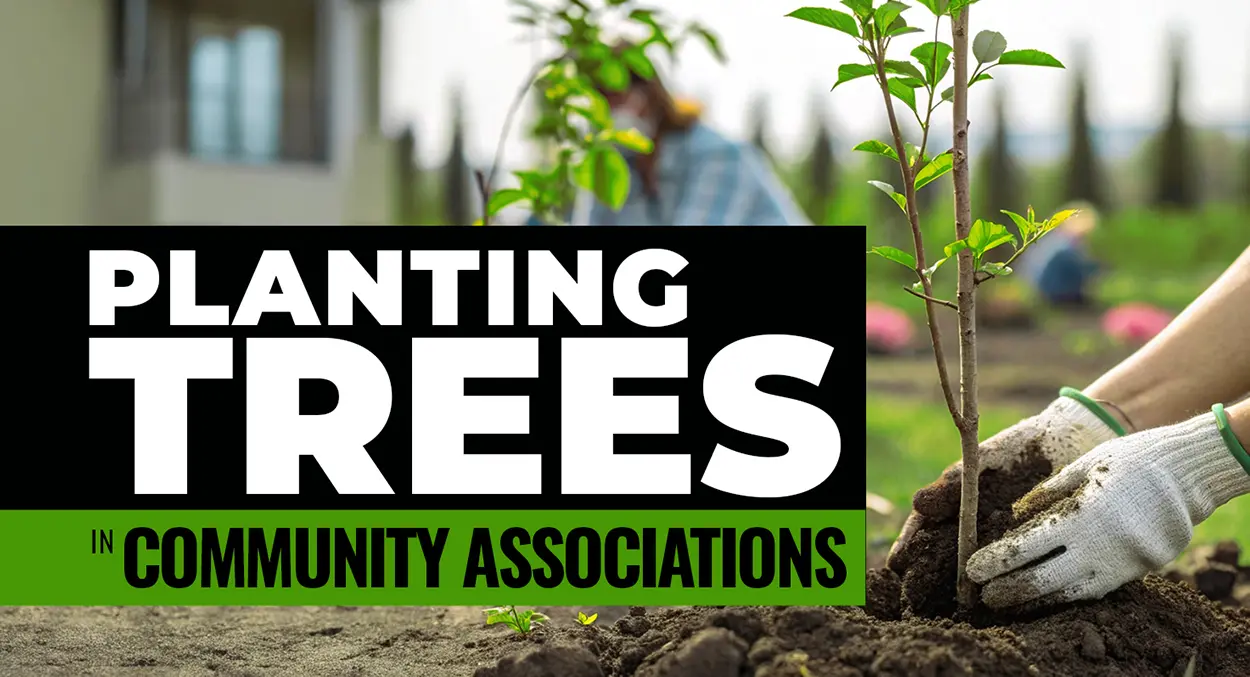
Tree-lined streets and yards can make a community feel welcoming and beautiful. Beyond their visual appeal, trees play an important role in improving quality of life and supporting environmental health. For community association board members and property managers, understanding the value of trees and how to care for them can make a lasting difference.
Here are five potential benefits of having trees in your condominium, homeowner (HOA), and townhome association.
- Aesthetic Value: Trees can enhance the visual appeal of any neighborhood, creating a sense of character and stability. A diverse mix of tree species not only looks beautiful but also helps protect your association’s landscape. If one type of tree becomes vulnerable to disease or pests, having multiple species reduces the risk of widespread damage.
- Cost Savings: Trees can help your community save money in several ways. Strategically planted trees can provide natural shade. Their canopy also slows the deterioration of paved surfaces such as sidewalks, driveways, and parking lots that may reduce long-term maintenance expenses.
- Improved Air Quality: Trees act as natural air filters. They absorb carbon dioxide and release oxygen while their leaves and bark trap dust, smoke, and other pollutants. In urban or high-traffic areas, trees help residents breathe cleaner air and improve overall community health.
- Rainwater Management: Trees help manage rainwater by reducing runoff and preventing erosion. Their leaves soften the impact of rainfall and their roots absorb water before it accumulates on streets or pathways. This natural water management helps protect both landscaping and infrastructure.
- Adapting to Your Region: When planting new trees, focus on species native to your region. Native trees are better adapted to local climate and soil conditions, require less watering and maintenance, and support local ecosystems. Associations may even consider creating a list of pre-approved tree species or adding planting guidelines to their governing documents to maintain consistency and sustainability.
Here are a few examples of native trees across different areas of the United States:
- Northwest: Blue Spruce, Douglas Fir, Oregon White Oak, Quaking Aspen, Lodgepole Pine
- Midwest: White Oak, Bur Oak, Elm, Birch, Hickory
- Northeast: Spruce, Eastern Redbud, Sweetgum, Allegheny Plum
- Southwest: Western Cedar, Fan Palm, Sapodilla, Trumpet Creeper, Desert Willow
- Southeast: Honeysuckle, Magnolia, Persimmon, Horse-Chestnut, Mahogany
Best Practices for Community Associations
Proactive tree management helps protect your community’s appearance, property values, and long-term maintenance budget. Board members and property managers can use the following best practices to guide landscaping decisions and preserve healthy green spaces:
- Conduct a tree survey or inventory to understand your current landscape health.
- Develop a maintenance plan with input from certified arborists or landscape professionals.
- Communicate tree policies and planting guidelines to residents.
- Create a maintenance responsibility chart that clearly outlines association and owner landscaping obligations.
- Budget for seasonal tree care and replacement as part of the community’s long-term reserve planning.
- When planting or removing trees, verify any local ordinances or permits that may apply.
- Consult with the association’s attorney to review landscaping and tree planting vendor contracts and agreements.
Legal Resource
Trees are more than just beautiful additions to your community. They are investments in comfort, health, and sustainability. By planting and maintaining the right mix of trees, your association can create a greener, more resilient neighborhood for years to come.
Do not hesitate to contact our law firm if your association has questions about rule enforcement, drafting/updating association policies, owner disputes, or other legal concerns.
Please call 855-537-0500 or visit www.ksnlaw.com.
Since 1983, KSN has been a legal resource for condominium, homeowner, and townhome associations. Additionally, we represent clients in real estate transactions, collections, landlord/tenant issues, and property tax appeals.
We represent thousands of clients and community associations throughout the US with offices in several states including Florida, Illinois, Indiana, and Wisconsin.
Please note the material contained in this article is for educational and informational purposes only and does not constitute legal advice. No attorney-client relationship is established by your review or receipt of the information contained in this article. You should not act on the information discussed in this article without first obtaining legal advice from an attorney duly licensed to practice law in your State. While KSN has made every effort to include up-to-date information in this article, the law can change quickly. Accordingly, please understand that the information discussed in this article may not yet reflect the most recent legal developments. Material is not guaranteed to be correct, complete, or up to date. KSN reserves the right to revise or update the information and statements of law discussed in the article, law at any time, without notice, and disclaims any liability for your use of information or statements of law discussed on the article, or the accessibility of the article generally. This article may be considered advertising in some jurisdictions under applicable law/s and/or ethical rules/regulations. © 2026 Kovitz Shifrin Nesbit, A Professional Corporation.