
- Community Associations
- Wisconsin, Indiana, Illinois, Florida
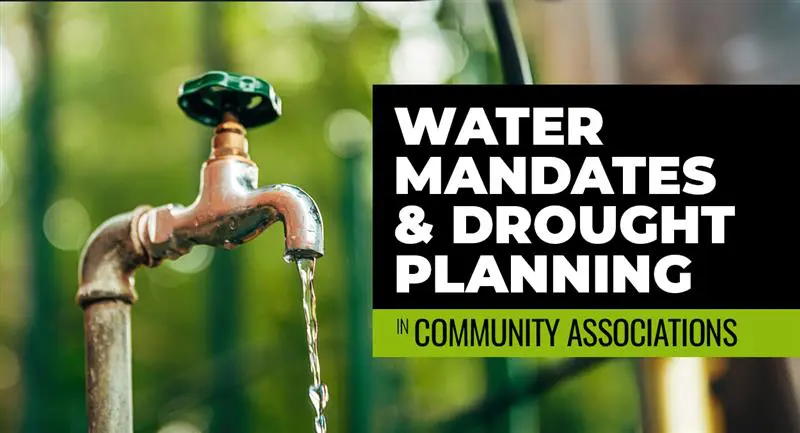
Water conservation has become a growing priority across many regions as drought conditions, infrastructure strain, and rising utility costs impact residential communities. For condominium, homeowner (HOA), and townhome community associations, managing water use isn’t just about being environmentally conscious. It’s also about ensuring compliance with local mandates, protecting property values, and maintaining sustainable operations.
Why Water Conservation Mandates Matter
State and municipal governments are increasingly enacting mandatory water restrictions during drought conditions. These can include limits on irrigation, car washing, pool refilling, and even the types of plants or turf permitted in landscaping.
For some community associations, compliance isn’t optional. Violating water restrictions can result in fines, penalties, or reputational harm. More importantly, long-term droughts can directly affect the community’s infrastructure, from landscaping to plumbing systems, if not proactively managed.
Beyond legal compliance, proactive water management may yield lasting benefits including:
- Lower operating costs from reduced water bills.
- Improved sustainability credentials for the community.
- Higher property values as eco-friendly features attract modern buyers.
- Resilience against future droughts and climate impacts.
Common Association Challenges
Associations often face unique challenges when addressing conservation requirements including:
- Extensive common-area landscaping that relies on irrigation systems.
- Resident expectations for lush lawns and frequent watering.
- Shared water meters that make it difficult to track individual or building-level usage.
- Older plumbing systems that may be inefficient or prone to leaks.
Balancing aesthetics, practicality, and legal compliance requires clear communication and careful planning.
Steps to Develop a Drought Contingency Plan
A drought contingency plan helps community associations prepare for both voluntary conservation and mandatory restrictions. Key steps may include:
- Assessing Current Usage: Conduct an audit of irrigation systems, pools, fountains, and building water use. Identify inefficiencies such as leaks, overwatering, or outdated fixtures.
- Establishing Tiered Response Levels: Define action plans for various drought stages including reducing watering days under moderate drought conditions and halting all irrigation under severe drought conditions.
- Upgrading Systems and Landscaping: Invest in smart irrigation controllers, drip systems, and drought-tolerant plants to reduce consumption. Associations may qualify for municipal rebates for these upgrades.
- Communicating with Residents: Provide regular updates during drought periods. Encourage residents to conserve water in units such as installing low-flow fixtures or reporting leaks promptly.
- Coordinating with Vendors and Contractors: Ensure landscaping, maintenance, and pool vendors are aware of and follow all restrictions. Update contracts to reflect drought-stage requirements.
Legal Considerations
Changes to irrigation systems or landscaping may require board approval or a budget amendment under the association’s governing documents. Boards should work with the association’s attorney to confirm that all water-use policies, landscaping standards, and enforcement provisions comply with local regulations.
The attorney can also:
- Review vendor contracts to ensure they include proper indemnification and compliance language.
- Verify that association rules are legally enforceable when addressing resident violations related to water restrictions.
Legal Resource
Droughts and water restrictions are becoming a normal part of community association life in many regions. By developing a well-structured drought contingency plan, upgrading systems, and working closely with legal and professional advisors, boards can safeguard their community’s resources and ensure that conservation becomes a shared, sustainable responsibility.
Questions about reviewing/amending governing documents, developing association policies, responding to questions from unit owners, or other legal concerns?
Please call 855-537-0500 or visit www.ksnlaw.com.
Since 1983, KSN has been a legal resource for condominium, homeowner, and townhome associations. Additionally, we represent clients in real estate transactions, collections, landlord/tenant issues, and property tax appeals. We represent thousands of clients and community associations throughout the US with offices in several states including Florida, Illinois, Indiana, and Wisconsin.
Please note the material contained in this article is for educational and informational purposes only and does not constitute legal advice. No attorney-client relationship is established by your review or receipt of the information contained in this article. You should not act on the information discussed in this article without first obtaining legal advice from an attorney duly licensed to practice law in your State. While KSN has made every effort to include up-to-date information in this article, the law can change quickly. Accordingly, please understand that information discussed in this article may not yet reflect the most recent legal developments. Material is not guaranteed to be correct, complete, or up to date. KSN reserves the right to revise or update the information and statements of law discussed in the article law at any time, without notice, and disclaims any liability for your use of information or statements of law discussed in the article, or the accessibility of the article generally. This article may be considered advertising in some jurisdictions under applicable law/s and/or ethical rules/regulations. © 2026 Kovitz Shifrin Nesbit, A Professional Corporation.